
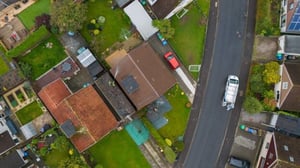
Heavy rainfall, freezing winter temperatures and high winds place continuous stress on Scottish roofs throughout the year. Over time, these environmental factors cause gradual wear and tear on your exterior structure. But spotting the early signs of roof tiles problem allows homeowners to fix minor issues before they turn into more serious and expensive structural defects.

Ignoring subtle warning signs often leads to severe water leaks, decayed roof timbers, saturated insulation and damp interior walls. Taking a proactive approach to home maintenance saves money, lowers long-term energy loss and protects your total property value.
1. Cracked, Slipped or Missing Roof Tiles
One of the most obvious indicators of external building damage is visible displacement across your roofline. Heavy coastal gales can easily dislodge individual units, while natural seasonal expansion and contraction cause concrete or slate materials to fracture over time.
- Slipped or misaligned tiles create open gaps in your primary weather defense layer.
- Hairline cracks allow wind-driven rain to seep beneath the surface into internal battens.
- Completely missing units leave underlying roofing felt exposed to direct sunlight and severe rainfall.
Prompt roof tile repairs are essential when these issues first appear. Replacing damaged sections quickly restores complete weatherproofing and prevents water from penetrating your loft space.
2. Heavy Moss and Algae Accumulation
Thick moss growth might appear harmless at first glance, but it presents a serious threat to long-term roof durability. Moss acts like a dense sponge, retaining large quantities of rainwater directly against concrete or clay surfaces.
During cold Scottish winters, trapped moisture within the moss freezes and expands repeatedly. This freeze-thaw process causes surface spalling, where the protective outer coating flakes off and severely weakens the structural integrity of your roof tiles. Furthermore, heavy moss clumps frequently dislodge during storms, sliding down into gutters and causing severe drainage blockages and water overflows. Carrying out routine roof tile maintenance ensures moss is safely removed before causing lasting structural damage.
3. Deteriorating Mortar And Weather Damage
Mortar is used along ridge caps, verges and valleys to secure edge coverings and keep rainwater out of vulnerable joints. Over time, continuous exposure to driving rain and heavy frost causes mortar to crumble, crack and fall away completely.
- Loose Ridge Tiles: Failing mortar allows heavy ridge caps to shift out of place, creating massive entry points for water ingress.
- Damaged Flashing: Perished lead flashing or sealant around chimneys and skylights leads to localised dampness inside living areas.
- Granule Loss: Concrete tiles lose their protective aggregate surface granules over time, leading to accelerated material erosion and porous masonry.
Identifying mortar decay early allows specialist contractors to re-point affected sections without needing a full structural overhaul.
4. Ageing Materials And Structural Sagging
Roofing materials do not last forever. Traditional slate and concrete coverings gradually weaken as they approach the end of their design lifespan, becoming brittle and highly porous.
If your property is several decades old, you may notice subtle dipping or uneven lines along the main roof ridge line. Structural sagging often indicates that long-term water leaks have rotted underlying timber rafters and roof decking. Arranging a comprehensive roof inspection survey helps determine whether minor surface repairs will suffice or if your building requires a total roof replacement.
5. Water Stains And Damp Inside Your Loft
You do not always need to climb onto a ladder to spot external defects. Often, the clearest evidence of severe roof tile damage appears inside your home during or after heavy rainfall.
Inspect your loft space regularly for damp smells, wet timber battens or daylight shining through microscopic cracks. On upper residential floors, dark water stains on ceilings and peeling wallpaper indicate active, ongoing water penetration. Addressing these internal leaks immediately stops toxic black mold from forming and protects ceiling plasterwork from collapsing under trapped moisture weight.
Why Early Action Protects Your Financial Investment
Delaying essential external maintenance is a risky financial strategy for any homeowner. Minor issues like a single broken tile or crumbling ridge mortar can rapidly escalate into widespread timber rot, ruined insulation and severe interior damage.
A comprehensive roof refurbishment addresses underlying surface faults, removes destructive organic growth, repairs mortar joints and applies protective coatings to extend total roof lifespan.
Taking early action delivers significant long-term protection for your property. It delivers major financial savings by preventing costly timber rot repairs and keeping structural decking dry and secure. Furthermore, maintaining dry roofing materials protects loft insulation performance, which improves overall home energy efficiency and boosts kerb appeal.
Proactive care keeps your home completely dry, warm and structurally sound through every harsh Scottish season.
Protect Your Home With Professional Roof Refurbishment
Recognising the key warning signs of roof tile damage is the vital first step toward preserving your property's value and structural integrity. Addressing cracked units, removing moss and repairing mortar early prevents expensive internal water leaks and preserves overall building health.
Are you concerned about the condition of your roof tiles? The expert team at LTI Transformations provides thorough property assessments, specialist repairs and complete roof refurbishment services tailored specifically to Scottish weather conditions.
Get in touch with our specialist team today to schedule your consultation and secure lasting weather protection for your home.
