
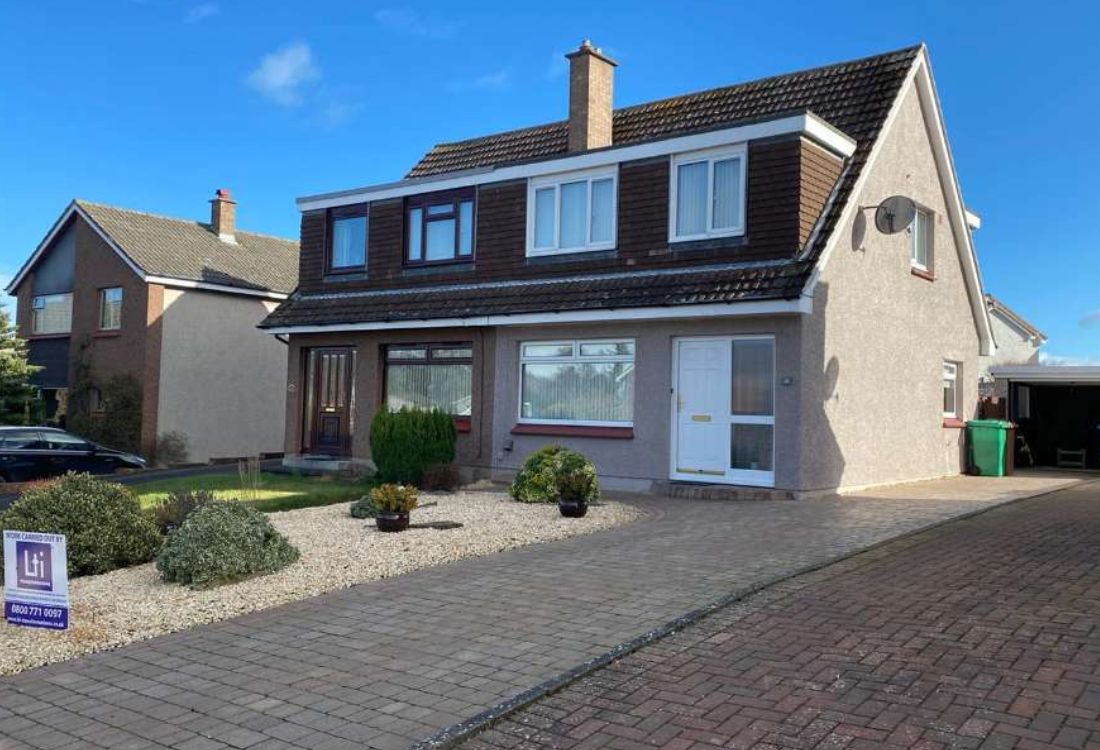
For any homeowner, facing the decision of whether to refurbish or completely replace a roof is daunting. The choice between a thorough refurbishment and a costly full replacement depends on a clear understanding of the existing damage, the age of the structure and what constitutes true structural failure. Making the right call not only protects your investment but also secures your home for years to come. Here are the key criteria professionals use when evaluating the long-term viability of your roof.

Assessing the Extent and Type of Damage
The first step is visual inspection, separating surface-level wear from underlying structural problems.
Surface Degradation (Coating Suitable)
If your primary concerns include widespread moss and lichen growth (covering more than 30% of the roof surface), porous tiles absorbing water, faded colour or hairline surface cracks (less than 1-2mm wide), your roof is likely an ideal candidate for a protective coating. These issues, whilst serious, indicate material degradation that can be addressed by a professional roof refurbishment process. Refurbishment focuses on cleaning, sterilising, repairing minor faults and applying a waterproof seal.
Structural Failure (Replacement Required)
However, if you observe any of the following, the damage extends beyond what coating can reasonably address:
- Broken, missing or severely cracked tiles affecting more than 20% of the roof area
- Persistent water ingress into the attic with visible staining or dampness on ceiling joists
- Sagging or uneven roof planes indicating structural movement
- Visible daylight through gaps in the roof structure
- Sponginess or rot when walking on the roof deck (professional assessment only)
If the integrity of the supporting structure is compromised, coating is merely a temporary solution to a major problem that will resurface within a few years.
Structural Integrity and Age Considerations
The age of your roof is a strong indicator of its remaining structural life. Concrete tiles typically last 40 to 60 years, whilst clay tiles can exceed 100 years and slate even longer. If your roof is approaching the upper end of its expected lifespan, the issues you see may be symptoms of total material fatigue.
When Coating Makes Sense
Refurbishment can add 10 to 15 years of renewed life to a structurally sound roof, making it an excellent option when:
- The roof is in the middle of its expected lifespan (e.g., 20-30 years old for concrete tiles)
- The underlying structure (battens, rafters, felt) is sound
- Tiles are intact but showing surface wear and porosity
- The budget for full replacement isn't available or justified
When Replacement is Necessary
Coating cannot prevent tiles from reaching their inevitable point of failure if they are already excessively become brittle or severely spalled. Consider the condition of the underlayment and felt, which provide the crucial waterproof barrier beneath the tiles. If the felt is perished and allowing moisture into the timbers, replacement is the more responsible option, as addressing this requires removing the tiles anyway.
Cost-Benefit Analysis: Understanding the Real Numbers
The fundamental appeal of coating lies in its cost effectiveness. As a general rule, a professional, guaranteed roof coating system costs significantly less than installing a completely new roof, typically representing 50-70% savings on total project costs.
What the Numbers Mean Long-Term
Whilst coating appears substantially cheaper initially, consider these factors:
- Coating typically needs reapplication every 10-15 years
- A new roof should last 40-60 years (concrete) or 100+ years (clay/slate) without major intervention
- Over a 30-year period, multiple coating cycles may approach replacement costs
- However, coating allows you to spread costs over time rather than one large capital expenditure
When Coating Delivers Best Value
By choosing refurbishment, you preserve the original structure, avoid landfill waste and achieve superior waterproofing and aesthetic restoration. This approach makes most financial sense when:
- Your roof has 20-30 years of potential life remaining
- The underlying structure is sound
- You plan to sell within 10-15 years
- Capital for full replacement isn't readily available
When Replacement is More Cost-Effective
Full replacement should be entertained when the costs of repairing the underlying damage (rafters, insulation, severe damp) approach or exceed the cost of a new installation. At this point, the disruption and expense of piecemeal repairs make a complete rebuild the more prudent investment.
Making Your Decision: A Practical Framework
To make the final, informed decision, consider this framework:
Choose Coating If:
- Tiles are 70%+ intact with only surface wear
- No visible structural damage or sagging
- Roof age is mid-lifespan for the material type
- Budget constraints make replacement impractical
- You want to defer replacement for 10-15 years
Choose Replacement If:
- More than 20% of tiles are broken or missing
- Underlayment or structural timbers are compromised
- Roof is at or beyond its expected lifespan
- You plan to remain in the property long-term (20+ years)
- Recurring leak problems despite previous repairs
Professional Assessment Is Essential
Whilst self-assessment provides helpful indicators, only an expert can truly measure water absorption, assess load-bearing timbers and confirm the level of preparation required. A full, non-destructive survey ensures you pursue the most viable and long-lasting course of action for your home.
Never guess when making a decision that affects the safety and value of your home. Instead, rely on expert analysis to confirm the best path forward. Contact LTI Transformations today to schedule your comprehensive roof survey and receive tailored advice on whether refurbishment or replacement is right for you.
