
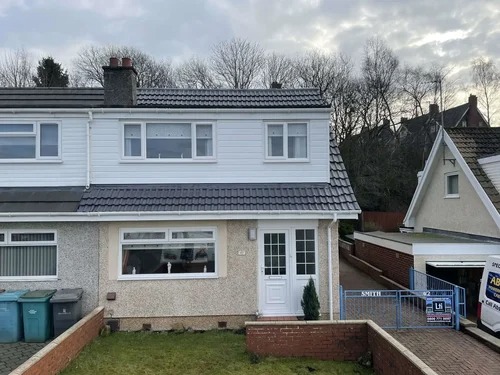
When investing in home improvements, Scottish homeowners rightly focus on energy efficiency. The roof, being the most exposed part of the structure, plays a major role in thermal regulation. Whilst roof coatings are primarily designed for waterproofing and restoration, they deliver a valuable secondary benefit: preserving the performance of your existing insulation by maintaining a watertight roof structure.

Preventing Heat Loss Through Structural Integrity
The single biggest contributor to thermal inefficiency is a damaged or compromised roof structure. In Scotland, tiles become porous over time, absorbing water which adds weight and encourages degradation. This compromises the integrity of the roof system, creating conditions that undermine your existing attic insulation.
A professional roof coating application fundamentally addresses this problem. By sealing the tiles and repelling water, the process ensures the roof structure remains sound and watertight. This maintenance of structural integrity prevents damp from penetrating and compromising the performance of underlying materials.
The principle is straightforward: dry insulation performs as designed, whilst wet insulation significantly reduces thermal efficiency. A watertight roof protects your insulation investment, ensuring it continues to deliver the energy performance you originally paid for.
Understanding Reflective Coatings In Scotland's Climate
Some roof coatings feature reflective or high-albedo properties designed to reflect solar radiation away from the roof surface. These specialised formulations work well in hot climates, where the primary concern is reducing cooling costs.
However, Scotland's moderate climate presents a different equation. Whilst reflective coatings can marginally reduce attic temperatures during summer months, research on cool roofs in London's similar climate shows they may increase heating demand by up to 10% in naturally ventilated buildings. In practice, the net energy benefit in Scotland's climate is minimal.
Standard protective coatings focus on waterproofing and durability rather than heat reflection, which is the appropriate specification for most Scottish properties.
Setting Realistic Expectations
A roof coating is not a replacement for proper insulation, nor will it dramatically reduce your energy bills. Its primary function is to protect the tile surface, prevent water absorption and stop biological growth.
However, the coating's protective features support your home's thermal performance in two important ways:
- Moisture Control: By ensuring the roof remains dry and sealed, the coating protects the effectiveness of the insulation materials (mineral wool, foam boards, etc.) installed beneath the roof deck.
- Air Leakage Reduction: The refurbishment process includes the repair of broken or displaced tiles, eliminating small points of air leakage and improving the overall envelope of the home.
In essence, a professional coating ensures that your existing insulation system performs at its intended peak efficiency. This long-term protection against weather damage makes the coating a sensible component of your home's energy strategy—not through direct thermal improvement, but by preserving the performance of the thermal protection you already have.
The Real Value Proposition
Rather than viewing roof coating as an energy-saving measure, it's more accurate to see it as preventative maintenance that protects your existing energy performance. Without proper waterproofing, even the best insulation will gradually deteriorate, leading to increased heating costs and potential structural damage.
The coating's value lies in avoiding these problems before they develop, maintaining your roof's condition and ensuring your insulation continues working effectively for years to come.
Don't let water damage undermine your home's existing insulation. Ensure your roof is watertight and protected to maintain its performance. Contact LTI Transformations today for a free assessment and expert advice on your home's long-term roof refurbishment plan.
